
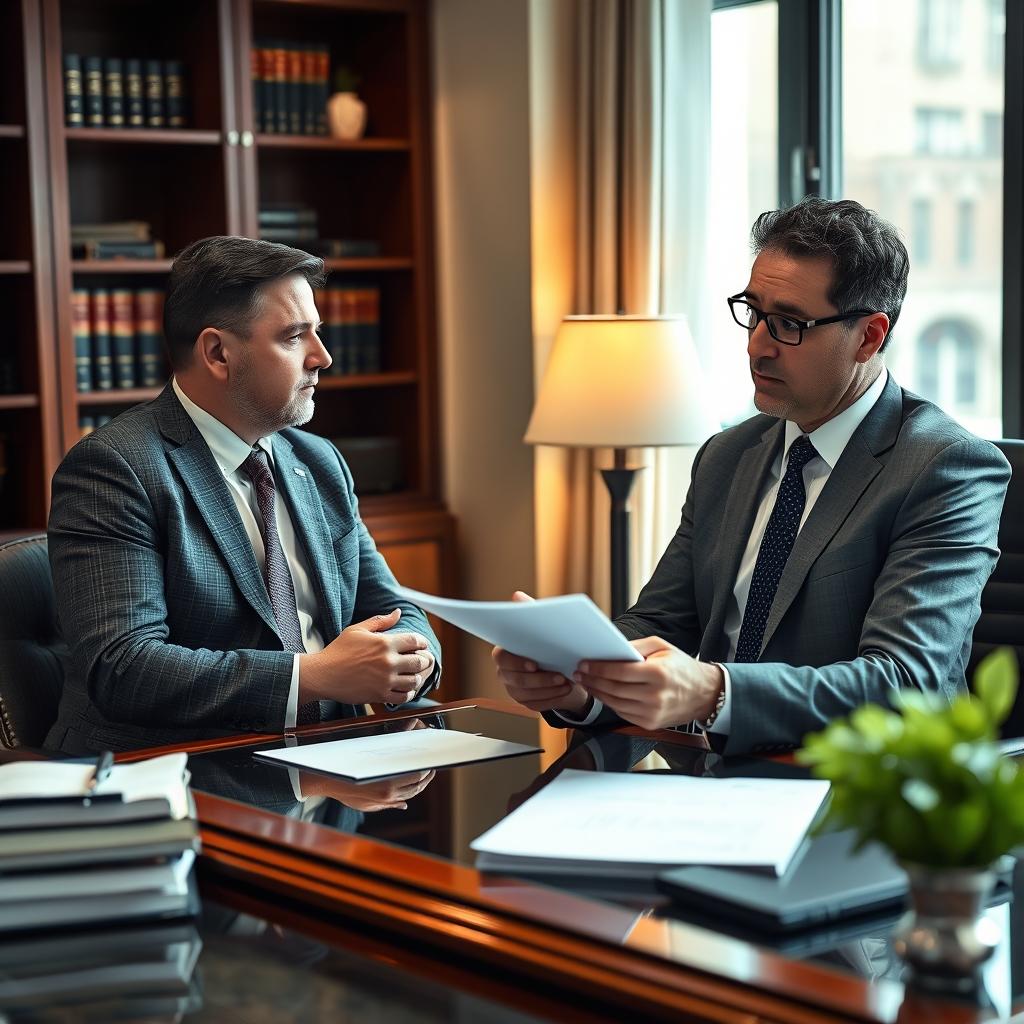
Racing Defense Lawyer New York, NY
Participating in an unauthorized speed contest or drag race on public roads in New York City carries serious consequences under the New York Vehicle and Traffic Law. A racing charge can lead to misdemeanor criminal prosecution, substantial fines, license suspension, and a permanent mark on your driving record. Law Offices Of SRIS, P.C. provides experienced defense representation for individuals facing racing allegations in Manhattan, Brooklyn, Queens, the Bronx, Staten Island, and throughout the New York metropolitan area. Mr. Sris and his Of Counsel team understand the procedural landscape of the Traffic Violations Bureau (TVB) and local courts, and they work to protect clients’ driving privileges and criminal records. To discuss your situation and review defense options, reach our firm at (888) 437-7747. Law Offices Of SRIS, P.C. – Advocacy Without Borders.
What Racing Defense Means in New York, NY
In New York City, racing charges typically arise under provisions of the New York Vehicle and Traffic Law that prohibit unauthorized speed contests, exhibitions of speed, and drag racing on public highways. These are not simple traffic infractions; they are criminal offenses prosecuted in the city’s criminal courts or, for certain arraignable traffic offenses, handled through the New York State Traffic Violations Bureau (TVB). Because the TVB operates without plea bargaining, every racing case demands thorough preparation and a detailed understanding of the evidence the prosecution intends to present.
The courts with jurisdiction over racing charges in New York City include the NYC Criminal Court in each borough — Manhattan, Brooklyn, Queens, the Bronx, and Staten Island — as well as the broader New York Supreme Court system. Mr. Sris and his Of Counsel appear regularly in these venues and are familiar with the local procedures that govern how calendar calls are handled, how discovery is exchanged, and how motions are scheduled. While every case is unique, the firm’s representation focuses on protecting the client’s driving record, minimizing criminal exposure, and, when possible, seeking dismissal or reduction of the charge. Throughout the process, the firm advises clients on the administrative implications with the New York Department of Motor Vehicles, including points assessments and potential license suspension consequences that can follow a racing conviction.
How Mr. Sris and His Of Counsel Handle Racing Defense Cases
A racing accusation in New York often begins with a law enforcement officer’s observation of vehicles alleged to be operating at high speed in tandem. The evidence may include radar or lidar readings, video footage, witness testimony, and the officer’s own visual estimate of speed. Mr. Sris and his Of Counsel scrutinize each piece of evidence for legal and factual weaknesses. They examine the calibration and maintenance records of speed-measuring devices, the chain of custody for any video evidence, the officer’s training and observation point, and whether the stop itself complied with constitutional requirements.
The procedural posture of a racing case in New York City can be complex. If the matter is before the TVB, the hearing is conducted before an Administrative Law Judge without the option of a negotiated plea. The firm prepares thoroughly for these hearings, presenting legal arguments, cross-examining witnesses, and raising all applicable defenses. In the criminal courts, the firm’s approach includes filing substantive motions, engaging in conferences with the prosecution when appropriate, and, if necessary, taking the case to trial. Mr. Sris, a former prosecutor, brings perspective from both sides of the courtroom, which informs the firm’s evaluation of how the prosecution is likely to build its case and where its vulnerabilities may lie.
About Mr. Sris and His Of Counsel Team
Mr. Sris, Owner and Founder of Law Offices Of SRIS, P.C., has been practicing law since 1997 and is admitted in New York, Virginia, Maryland, the District of Columbia, and New Jersey. As a former prosecutor, he has firsthand experience with the criminal justice process and uses that insight to anticipate prosecutorial strategies and to develop thorough defense plans. Mr. Sris testified before the Virginia House Courts of Justice Committee in support of 2019 HB 635 (chief patron Del. David Bulova). He leads the firm’s traffic defense practice, which includes the defense of serious racing and speed-contest allegations.
Mr. Sris and his Of Counsel bring extensive combined legal experience. The Of Counsel attorneys work collaboratively with Mr. Sris on racing defense matters, ensuring that every client benefits from the firm’s collective knowledge of New York traffic law and courtroom practice. The firm maintains a New York location and serves clients across all five boroughs, Long Island, and the Hudson Valley. Results may vary.
Frequently Asked Questions
Is racing a criminal offense in New York?
Yes, participating in an unauthorized speed contest or drag race on public roads is a criminal offense in New York, typically charged as a misdemeanor under the Vehicle and Traffic Law. A conviction can result in jail time, substantial fines, license suspension, and points on your driving record. Because it is a criminal charge, the matter is handled in criminal court or through the TVB, and a conviction creates a permanent criminal record. Having an experienced defense attorney is important to protect your rights and your driving privileges.
What happens if I am charged with racing in New York City?
After being charged, you will receive a summons or desk appearance ticket with a court date, and the case will proceed through either the NYC Criminal Court or the Traffic Violations Bureau, depending on how the charge is filed. At the initial appearance, you will be asked to enter a plea. In TVB proceedings, there is no plea bargaining, so the case will be set for a hearing. In criminal court, the prosecution must provide discovery, and your attorney can file motions and explore possible resolutions. Throughout the process, the DMV may take administrative action against your license based on the charge alone. Promptly contacting an attorney is critical.
Can a racing charge be reduced or dismissed?
Yes, a racing charge can sometimes be reduced to a lesser traffic infraction or dismissed entirely if the evidence is insufficient or obtained in violation of your rights. Common grounds for dismissal include improper calibration of speed-measuring equipment, lack of probable cause for the traffic stop, or failure to prove the elements of the offense beyond a reasonable doubt. In criminal court, the prosecution may agree to a reduction if the facts warrant it. At the TVB, the Administrative Law Judge decides the case solely on the evidence presented, so building a thorough defense is essential.
How can a lawyer help with a racing charge in New York City?
A lawyer can challenge the evidence, identify procedural errors, and advocate for favorable outcomes, whether through negotiation, motion practice, or a hearing. An attorney will review the police reports, calibration records, and any video or witness statements to find weaknesses in the prosecution’s case. In TVB hearings, skilled cross-examination and legal argument can lead to dismissal. In criminal court, an attorney can negotiate with the prosecutor and, if necessary, take the case to trial. Because a racing conviction can impact your license and insurance for years, experienced legal representation is valuable.
What should I do if I am pulled over for racing in New York?
Remain calm, provide your license and registration when asked, and do not argue or make statements about the incident beyond identifying yourself. You have the right to remain silent, and anything you say can be used against you. Politely decline to discuss the details of the alleged racing. As soon as possible after the stop, contact an attorney to begin reviewing the circumstances of the stop and the evidence the officer gathered. Early involvement by legal counsel can make a significant difference in the defense strategy.
How does the TVB handle racing cases differently than criminal court?
The Traffic Violations Bureau (TVB) in New York City handles certain traffic offenses, including some racing charges, without the option of plea bargaining; the case goes directly to a hearing before an Administrative Law Judge. In TVB proceedings, the prosecution must prove the charge by clear and convincing evidence. The judge alone decides guilt or innocence and imposes any penalty. By contrast, in criminal court, plea negotiations are possible, and the case may be resolved by reduction to a lesser charge or through a trial before a judge or jury. Knowing which forum your case is in guides the defense strategy from the outset.
For guidance on your specific situation, reach Law Offices Of SRIS, P.C. at (888) 437-7747.
For official statutory information, visit the New York Vehicle and Traffic Law. Additional court information is available through New York State Courts.
Attorney advertising. Prior results do not guarantee a similar outcome. Case results depend on a variety of factors unique to each case. Results may vary.