
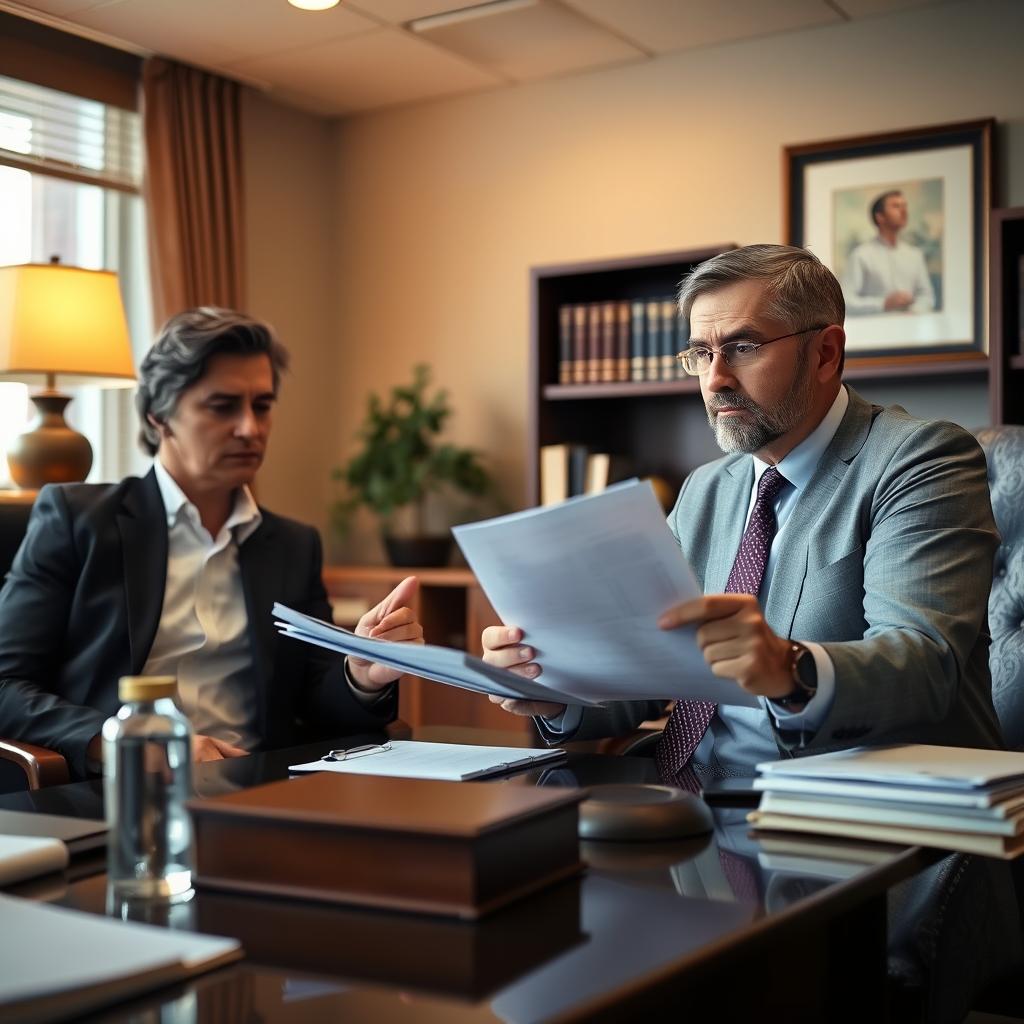
Racing Defense Lawyer Manhattan, NY
In Manhattan, a speeding contest or drag race can be charged as a serious traffic offense under New York’s Vehicle and Traffic Law, carrying the risk of high fines, points on your license, and even suspension of driving privileges. The dense street grid, highways such as the FDR Drive and the West Side Highway, and events that draw crowds make the borough a place where law enforcement is alert to racing activity. For New York City traffic cases, the State’s Traffic Violations Bureau — the TVB — handles the charge, and that forum operates with no plea bargaining, making the right legal guidance from the start a critical factor. Mr. Sris and his Of Counsel at Law Offices Of SRIS, P.C. Appear in Manhattan TVB and court matters, working to protect the record and driving credentials of each individual they represent. To discuss a racing charge in Manhattan, reach the firm at (888) 437-7747. Law Offices Of SRIS, P.C. – Advocacy Without Borders.
What Racing Defense Means in Manhattan
Racing defense in Manhattan addresses allegations of engaging in an unauthorized speed contest on a public roadway. These charges arise most often from the major arteries that run the length of the island — the FDR Drive, West Street, and the Henry Hudson Parkway — as well as from the many avenues where traffic is heavy and enforcement is strict. Under New York law, racing is not a mere infraction; it can be prosecuted as a misdemeanor-level offense, exposing a driver to a criminal record, substantial fines, and up to 15 days in jail depending on the circumstances and the judge’s discretion. In addition to the immediate court-imposed penalties, a conviction will add points to a New York driving record. Accumulating 11 or more points within 18 months can trigger a suspension of the driver’s license, and even a single racing-related conviction can cause insurance premiums to rise sharply. The New York City TVB — located at central hearing sites in each borough — has exclusive jurisdiction over these traffic matters, and its Administrative Law Judges do not engage in charge-bargaining with attorneys or defendants. That distinctive procedural reality makes it essential to present a well-prepared defense rather than hoping for a last-minute reduction at the hearing.
Manhattan’s courthouse at 60 Centre Street sits at the heart of the city’s legal district, with the TVB operating as a division of the New York State Department of Motor Vehicles. Because the TVB does not allow the same latitude for negotiation that exists in many local courts upstate, a lawyer who is familiar with how these hearings unfold — from pre-hearing discovery demands to the cross-examination of the citing officer — can make a material difference in the outcome. Mr. Sris and his Of Counsel have appeared for motorists in Manhattan TVB proceedings, applying a defense-oriented approach that examines every element of the traffic stop and the supporting evidence. The streets and neighborhoods of the borough — from Midtown and the Upper East Side to Harlem and Lower Manhattan — are all within the geographical area the firm serves, and the defense strategy is tailored to the specific location and conditions of the alleged racing incident.
How Mr. Sris and His Of Counsel Handle Racing Defense Cases
A racing charge begins with a traffic stop and a summons that will require an appearance at the TVB. Mr. Sris and his Of Counsel typically start by obtaining the full discovery file: the officer’s notes, any speed-measuring device calibration records, video evidence from dashboard or body-worn cameras, and witness statements. They then scrutinize the legal foundation of the stop itself — whether the officer had reasonable suspicion to detain the driver — as well as the accuracy and admissibility of any speed measurement. In a racing case, the prosecution must establish that the driver was engaged in a competitive speed contest, not simply exceeding the limit. That element often rests on the officer’s observations of two or more vehicles accelerating side by side, or on testimony from bystanders. The defense works to challenge the reliability of those observations and to highlight alternative explanations for the driver’s conduct.
Once the evidence is assessed, the attorney formulates a hearing strategy that may include filing motions to suppress evidence, presenting technical attorneys to question radar or LiDAR readings, and preparing the driver to testify credibly if it serves the case. At the TVB hearing, there is no prosecutor present; the officer appears as the complaining witness and the Administrative Law Judge hears both sides. The absence of a prosecuting attorney does not diminish the seriousness of the proceeding, but it does place a premium on effective cross-examination. The goal is to raise reasonable doubt about the racing allegation or, when the evidence is overwhelming, to marshal mitigating factors — such as a clean driving history or completion of a defensive driving course — in support of the most favorable penalty the judge can impose. Throughout the process, Mr. Sris and his Of Counsel remain in communication with the client, explaining each step and the likely range of outcomes so that there are no surprises at the hearing. Their combined experience in New York traffic matters informs every tactical decision.
About Mr. Sris and His Of Counsel Team
Mr. Sris, Owner and Founder of Law Offices Of SRIS, P.C., has practiced law since 1997 and maintains admission to the bars of New York, Virginia, Maryland, the District of Columbia, and New Jersey. A former prosecutor, he brings a first-hand understanding of how the government evaluates traffic and criminal cases, an insight that influences the firm’s defense strategy on every racing charge. The attorneys who work with him are Of Counsel to the firm, and together they bring extensive combined legal experience to traffic law matters. Results may vary. in any individual case. The firm’s New York location serves clients throughout the five boroughs, including the Manhattan communities of Midtown, the Upper East Side, the Upper West Side, Harlem, Greenwich Village, Chelsea, the Financial District, and beyond. Whether the matter involves a racing summons returnable at the TVB or a companion criminal charge, the firm’s approach remains the same: a careful evaluation of the evidence, an honest assessment of the exposure, and a vigorous presentation at the hearing.
Frequently Asked Questions
What are the penalties for illegal racing in New York?
A racing conviction can result in points on your driver’s license, fines, a possible license suspension, and, if charged as a misdemeanor, a criminal record with up to 15 days in jail. The specific points assessed depend on the statute cited on the summons, but virtually any moving violation associated with racing will add to your total. In New York, speeding points range from 3 to 11 depending on the speed, and accumulating 11 points within 18 months leads to a suspension. In addition, a Driver Responsibility Assessment fee of $100 per year for three years applies when a driver reaches six or more points. Because the New York City Traffic Violations Bureau handles these cases without plea bargaining, the judge’s decision is directly informed by the evidence and argument presented at the hearing. A well-prepared defense can make a significant difference in whether points are imposed and in the ultimate fine.
Can I fight a racing ticket at the Manhattan TVB?
Yes, every driver has the right to a hearing before an Administrative Law Judge at the New York City Traffic Violations Bureau, and you are not required to simply pay the fine. The TVB operates under different rules from local courts — there is no plea bargaining, and the officer who issued the summons will appear as the complaining witness. Contesting a racing charge means your attorney can challenge the officer’s observations, the accuracy of any speed-measuring device, and the lawfulness of the traffic stop. You will have the opportunity to present witnesses and evidence. Because the TVB judge will decide guilt or innocence based solely on the evidence presented at the hearing, preparation and a thorough cross-examination are essential. Many drivers choose to be represented by counsel because of the potential impact on their driving record and insurance rates. Mr. Sris and his Of Counsel are familiar with TVB procedures and regularly represent motorists in Manhattan hearings.
Do I need a lawyer for a racing charge in Manhattan?
While you are not legally required to hire a lawyer, having experienced counsel often improves the likelihood of a favorable outcome at the TVB.
Racing charges are treated seriously because they involve potential jail time and a criminal record if charged as a misdemeanor. The TVB’s no-plea-bargaining rule means that the result rises or falls on the quality of the defense presented at the hearing. An attorney can obtain the officer’s notes and calibration records, identify inconsistencies, and present legal arguments that a layperson may not know to raise. The stakes — points, fines, a possible suspension, and increased insurance costs — often exceed the cost of representation. Mr. Sris and his Of Counsel evaluate each racing case on its particular facts and provide a candid assessment of the options.
What defenses are available against a racing allegation in New York?
Potential defenses include lack of evidence of a speed contest, errors in the officer’s observations, malfunctioning speed-measurement equipment, and violations of the driver’s constitutional rights during the traffic stop. A racing charge requires proof that the driver was engaged in a competitive speed contest, not simply speeding. If the officer did not observe two or more vehicles accelerating side by side or if dash-camera footage shows ambiguous conduct, the charge may be challenged. Speed-measurement devices must be properly calibrated and operated; calibration records can be demanded and any deviation can weaken the prosecution’s case. If the stop was not supported by reasonable suspicion, evidence obtained thereafter may be excluded. Mitigating factors — such as a clean driving record, completion of a defensive driving course before the hearing, and employment or family circumstances that depend on a license — can also influence the judge’s decision on the penalty, even if the charge is sustained.
What is the process for a TVB hearing in Manhattan?
A TVB hearing begins when you plead not guilty to the racing summons and a hearing date is assigned; on that date the officer and any witnesses appear, evidence is presented, and the Administrative Law Judge renders a decision. The hearing is held at one of the TVB locations in the borough. You are entitled to be represented by counsel, to call witnesses, and to cross-examine the officer. After each side has presented its case, the judge decides whether the charge has been proved by clear and convincing evidence. If the judge finds you guilty, the penalties — fine, points, and any suspension — are imposed at that time. You have the right to appeal an adverse TVB decision to the New York State DMV Appeals Board. Because the record created at the hearing forms the basis for any appeal, it is important to build the record carefully from the start. Mr. Sris and his Of Counsel can guide you through each stage and present a prepared, evidence-focused defense.
For guidance on your specific situation, reach Law Offices Of SRIS, P.C. at (888) 437-7747.
Related New York City traffic resources: Traffic Lawyer Manhattan · Traffic Lawyer Brooklyn · Traffic Lawyer Queens · Traffic Lawyer Staten Island
Attorney advertising. Prior results do not guarantee a similar outcome.
Case results depend on a variety of factors unique to each case.
Results may vary.