
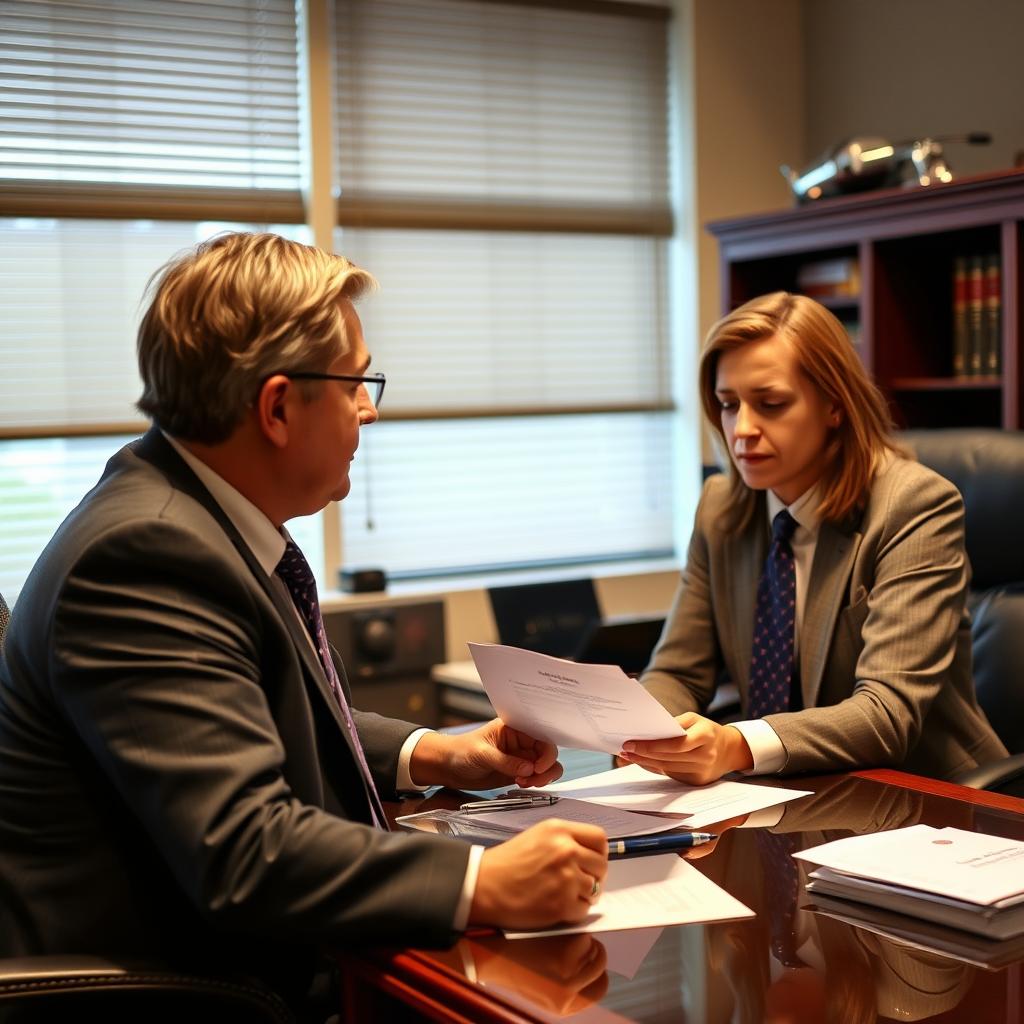
Breath Test Refusal Lawyer Virginia
Refusing a breath test in Virginia triggers an automatic one-year driver’s license suspension under the state’s implied consent law. You need a Breath Test Refusal Lawyer Virginia to challenge this civil penalty and any related DUI charge. Law Offices Of SRIS, P.C. —Advocacy Without Borders. provides defense against these administrative and criminal consequences. (Confirmed by SRIS, P.C.)
Statutory Definition of Refusal in Virginia
Virginia Code § 18.2-268.3 classifies breath test refusal as a civil offense with a mandatory one-year license revocation. The law states any person operating a motor vehicle on Virginia highways consents to chemical testing for alcohol. This is Virginia’s implied consent statute. Refusal to submit to a breath test after a lawful arrest for DUI is a separate violation from the DUI itself. The civil case proceeds in the same general district court as the criminal DUI charge. The suspension is administrative and handled by the Virginia DMV. You have seven days to request a hearing to appeal the suspension. A Breath Test Refusal Lawyer Virginia can file this appeal. The refusal can also be used as evidence in your criminal DUI trial. Prosecutors argue refusal indicates consciousness of guilt.
What constitutes a valid refusal under Virginia law?
A refusal is valid if you are lawfully arrested for DUI and then decline the breathalyzer. The officer must have probable cause for the initial traffic stop and arrest. The officer must also inform you of the implied consent law and the penalties for refusal. Silence or an unclear answer can be interpreted as a refusal. You cannot condition your test on speaking to an attorney first. Virginia courts have ruled that requesting a lawyer constitutes a refusal.
How does implied consent apply to Virginia drivers?
Implied consent applies to all drivers using Virginia’s public roads. By obtaining a Virginia driver’s license, you agree to chemical testing if arrested for DUI. This agreement is a condition of the privilege to drive. The law covers breath, blood, or both tests. Refusal violates this pre-existing agreement. The penalty is a civil license suspension, not a criminal conviction. An implied consent violation lawyer Virginia defends against this automatic penalty.
Can you refuse a preliminary breath test (PBT) in Virginia?
You can refuse a preliminary breath test during a traffic stop without a license penalty. The PBT is a handheld device used to establish probable cause for arrest. Refusing the PBT is not a crime under Virginia Code § 18.2-267. However, an officer may use your refusal as part of the basis for arrest. The mandatory test refusal penalty only applies post-arrest at the station. This distinction is a key defense point.
The Insider Procedural Edge in Virginia Courts
Your refusal case will be heard in the General District Court for the jurisdiction where the arrest occurred. For example, the Fairfax County General District Court is located at 4110 Chain Bridge Road, Fairfax, VA 22030. The civil refusal and criminal DUI cases are typically heard together. The timeline is critical. The DMV suspension begins on the seventh day after arrest if no appeal is filed. You must request a DMV hearing within seven days to delay the suspension. Filing fees for court appeals vary by county but are typically under $100. The court clerk’s Location can provide the exact cost. Procedural specifics for Virginia are reviewed during a Consultation by appointment at our Virginia Locations.
What is the court process for a refusal charge?
The process involves a DMV administrative hearing and a court hearing. You must request the DMV hearing within seven days of arrest to challenge the suspension. The criminal refusal charge is heard in general district court. The prosecution must prove the officer had probable cause for the arrest. They must also prove you were informed of the implied consent penalties. Your breathalyzer refusal defense lawyer Virginia will challenge these elements. A successful challenge can get the refusal charge dismissed.
How long do you have to appeal a license suspension?
You have seven calendar days from the date of arrest to appeal. The arresting officer provides a notice of suspension form. You or your attorney must file an appeal with the DMV within that period. This action grants you a temporary driving permit for seven more days. It also schedules a DMV administrative hearing. Missing this deadline results in automatic license loss on the eighth day.
Penalties & Defense Strategies for Refusal
The most common penalty is a one-year driver’s license suspension with no restricted permit for the first 30 days. This is a mandatory minimum penalty for a first offense. The court has no discretion to waive it if the refusal is upheld. After 30 days, you may be eligible for a restricted license for limited purposes. A second refusal within ten years leads to a three-year suspension. It may also be charged as a Class 1 misdemeanor. You need a skilled breathalyzer refusal defense lawyer Virginia to fight this.
| Offense | Penalty | Notes |
|---|---|---|
| First Refusal | 1-year license suspension | No restricted license for first 30 days. Civil penalty. |
| Second Refusal (within 10 years) | 3-year license suspension, possible Class 1 Misdemeanor | Up to 12 months in jail, $2,500 fine. Criminal charge. |
| Refusal with DUI Conviction | Suspension runs consecutively to DUI suspension | License loss compounds; longer total revocation period. |
| DMV Civil Fees | $220 reinstatement fee minimum | Paid to Virginia DMV after suspension period ends. |
[Insider Insight] Virginia prosecutors often use refusal as use for a DUI plea deal. They know the license suspension is a powerful incentive. Some Commonwealth’s Attorneys may offer to drop the refusal charge in exchange for a guilty plea on the DUI. This trade-off avoids the consecutive suspension. Your attorney must negotiate based on the strength of the DUI evidence.
What are the long-term consequences of a refusal?
Long-term consequences include a permanent refusal record on your Virginia driving history. This record leads to higher insurance premiums for at least three years. A refusal can be used against you in future DUI cases. It may also impact certain professional licenses and employment. A commercial driver faces a one-year disqualification for any refusal. An implied consent violation lawyer Virginia works to mitigate these collateral damages.
Can you get a restricted license after a refusal?
You can petition for a restricted license after serving 30 days of the suspension. The court requires proof of need for driving to work, school, or treatment. You must also complete the Virginia Alcohol Safety Action Program (VASAP). The judge has discretion to grant or deny the restricted privilege. Installation of an ignition interlock device is often required. This process is separate from the criminal case.
Why Hire SRIS, P.C. for Your Virginia Refusal Case
Our lead attorney for Virginia refusal cases is a former prosecutor with direct insight into state DUI litigation strategies. This background provides a critical advantage in anticipating and countering the Commonwealth’s arguments. SRIS, P.C. has defended hundreds of refusal cases across Virginia. We know the procedural nuances of each general district court. Our team includes former law enforcement officers who understand arrest protocols. We scrutinize every step of the traffic stop and arrest. A Breath Test Refusal Lawyer Virginia from our firm builds a defense on these details.
Primary Virginia Refusal Defense Attorney: Bryan Block. Former Virginia State Trooper. Over 15 years of combined law enforcement and defense experience. Personally handled more than 500 Virginia DUI and refusal cases. Knowledge of DMV hearing officer tactics and calibration procedures for breath test devices.
We assign a minimum of two attorneys to review every refusal case. This dual-analysis approach identifies more potential defense issues. We have a documented record of securing dismissals by challenging the legality of the initial traffic stop. Our Virginia Locations are strategically placed near major courthouses. We prepare clients for both DMV and court hearings with realistic expectations. Your case gets direct attention from seasoned our experienced legal team.
Localized Virginia FAQs on Breath Test Refusal
Does refusing a breath test automatically mean you are guilty of DUI in Virginia?
No. Refusal is a separate civil charge. The prosecution must still prove the DUI beyond a reasonable doubt. The refusal can be used as evidence, but it is not conclusive proof of guilt.
What happens if you refuse a breath test but pass a blood test in Virginia?
The refusal charge still stands. The civil penalty for refusing the breath test is independent of other test results. You face the one-year license suspension regardless of the blood test outcome.
Can you change your mind and take the test after initially refusing in Virginia?
Generally, no. Virginia courts typically rule the initial refusal is final. Changing your mind after a significant delay is unlikely to be accepted and will not cancel the refusal charge.
How does a refusal affect a commercial driver’s license (CDL) in Virginia?
A refusal leads to a one-year disqualification of your CDL for a first offense. This applies even if you were driving a personal vehicle at the time of the arrest.
Is it better to refuse or take the test if you suspect you are over the limit in Virginia?
This is a legal decision with serious consequences. Refusal avoids concrete BAC evidence but commitments a one-year license suspension. Consulting with a DUI defense in Virginia attorney immediately is crucial.
Proximity, CTA & Disclaimer
SRIS, P.C. has multiple Virginia Locations to serve clients facing refusal charges. Our attorneys are familiar with courts from Fairfax to Virginia Beach. Consultation by appointment. Call 888-437-7747. 24/7. Our main Virginia Location is accessible from major interstates and near district courthouses. For related legal support, consider our criminal defense representation services. The specific address for your consultation will be provided when you call. We prepare your defense from the moment you contact us.
Past results do not predict future outcomes.